DOG BEHAVIOR & TRAINING
Dog separation anxiety is more than a dog simply preferring company. Some dogs become distressed when a specific person leaves or when they are left alone. The first step is to distinguish ordinary boredom from genuine distress, because the training plan is different.
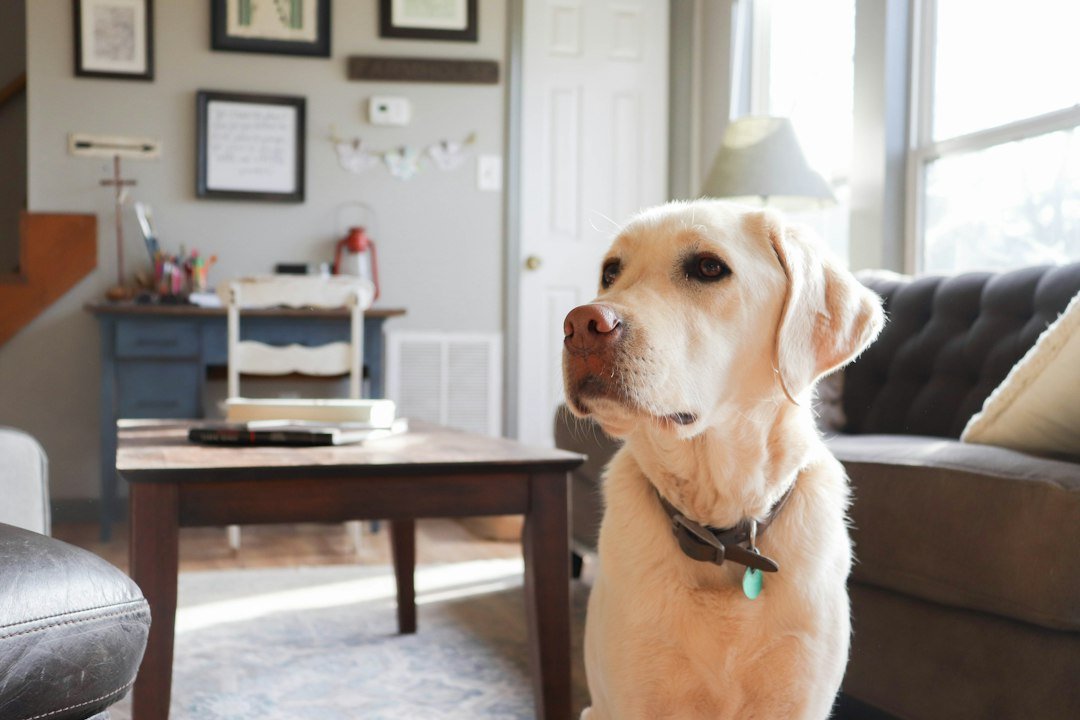
Watch what happens after you leave
A phone or home camera can help you see whether the dog settles after a few minutes or becomes increasingly distressed. Repeated barking, frantic pacing, heavy drooling, escape attempts, destruction around doors or windows, and inability to eat can indicate a more serious problem.
Reduce the difficulty before asking for longer absences
If the dog panics at ten minutes, repeatedly leaving for an hour does not teach calm independence. Start with departures short enough that the dog can remain below the point of panic, then increase time gradually.
Make departure cues less predictive
Keys, shoes, a work bag or closing a laptop can become signals that predict a long absence. Practice some of these actions without leaving so they stop being perfect predictors of separation.
Build calm independence while you are home
Reward the dog for settling on a bed, resting away from you and engaging with a safe activity without constant interaction. The goal is not emotional distance; it is helping the dog learn that calm separation can be safe.
Use enrichment carefully
Food toys and chews can be useful for mild cases if the dog can actually use them while alone. A dog that is too anxious to eat needs a different level of help. Enrichment should support training, not hide severe distress.
For broader mental activity ideas, see Dog Boredom Signs and Mental Enrichment Ideas.
Avoid punishment after you return
A dog cannot connect punishment on your return with anxiety-driven behavior that happened much earlier. Scolding can make departures and reunions more stressful without addressing the underlying problem.
When to involve a veterinarian or behavior professional
If the dog is injuring itself, attempting to escape, refusing food when alone, panicking at very short absences or worsening despite careful training, seek qualified help. Medical conditions can also affect behavior, and severe cases may need a plan that goes beyond ordinary home training.
Where a structured training program fits
A general training program can help with engagement, routine and mental work, but it should not be sold as a standalone treatment for severe separation anxiety. It is most useful as part of the broader daily training picture for dogs whose problems are mild or mixed with poor routine and under-stimulation.
For general training and mental work
Brain Training for Dogs provides a structured set of game-based exercises and obedience activities. Consider it for everyday training structure and enrichment—not as a replacement for veterinary or behavior care when your dog shows panic or self-injury.
Affiliate link. Pet Gear Pilot may earn a commission at no extra cost to you. Availability, pricing and seller terms can change on the merchant’s site.
Related guides
Dog Obedience Training Home Plan
How to Stop Dog Barking Without Making It Worse
Train a Reliable Recall Around Distractions