DOG BEHAVIOR & TRAINING
Dog obedience training works best when it is treated as a system, not a collection of commands. The goal is not to make a dog perform perfectly on cue. It is to build clear communication, reliable habits and enough practice that the dog can succeed in everyday situations.
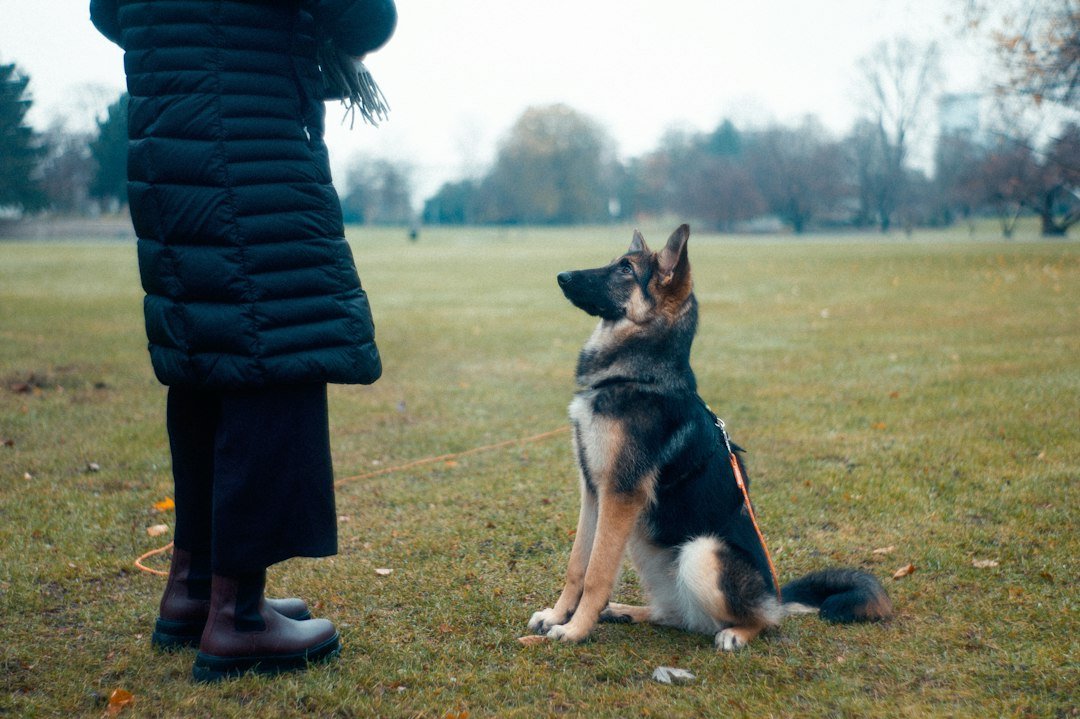
If your dog listens in the kitchen but not outside, start with our guide Why Does My Dog Listen at Home but Not Outside?. That gap usually means the behavior needs more practice around distractions, not that the dog has suddenly become stubborn.
Start with three useful behaviors
For most homes, recall, sit or settle, and loose attention around the owner are more useful than teaching a long list of tricks. Choose a few behaviors that solve real daily problems and practice those until they are dependable.
1. Teach one cue in an easy environment
Begin in a quiet room. Say the cue once, help the dog succeed, and reward quickly. If the dog misses repeatedly, the task is too difficult or the reward is not strong enough.
2. Add distraction gradually
Move from quiet room to hallway, yard, driveway and then more distracting places. Change one difficulty at a time. A dog that succeeds nine times out of ten learns faster than a dog that is constantly being tested beyond its current skill.
3. Reward the response you want repeated
Food is convenient, but rewards can also be play, access to something the dog wants, praise or permission to move forward. The important part is timing: the reward should make it obvious which behavior paid off.
Common obedience-training mistakes
Repeating the cue five times, changing cue words, training only when frustrated and asking for advanced behavior in highly distracting places all make learning harder. Another common mistake is fading rewards too early. Reliability comes from a long history of successful repetitions.
If boredom is making focus difficult, see Dog Boredom Signs and Mental Enrichment Ideas. Mental work can make short training sessions more useful, especially for dogs that need an outlet for energy.
A simple weekly training rhythm
Use several short sessions instead of one long session. Practice one familiar behavior, one behavior that is still developing and one easy win. End before either you or the dog becomes frustrated. On later days, repeat the same behaviors in slightly more difficult environments.
When a structured program can help
Some owners understand the basic principles but still struggle to turn them into a consistent sequence. A structured home program can be useful when you want a ready-made progression instead of piecing together unrelated tips from different sources.
Structured option we are testing
Brain Training for Dogs is a ClickBank training program built around game-based exercises and obedience work. It is most relevant for owners who want a step-by-step home routine. It is not a substitute for veterinary care or qualified help with serious aggression or severe fear.
Affiliate link. Pet Gear Pilot may earn a commission at no extra cost to you. Availability, pricing and seller terms can change on the merchant’s site.
Related guides
Why Won’t My Dog Listen?
How to Train a Reliable Recall Around Distractions
How to Stop Dog Barking Without Making It Worse