DOG RECALL
How to Train a Reliable Recall Around Distractions
Recall is much harder when the environment contains smells, movement, dogs or people. The goal is not to shout the cue more loudly. It is to build a history in which turning back toward you is consistently worthwhile.
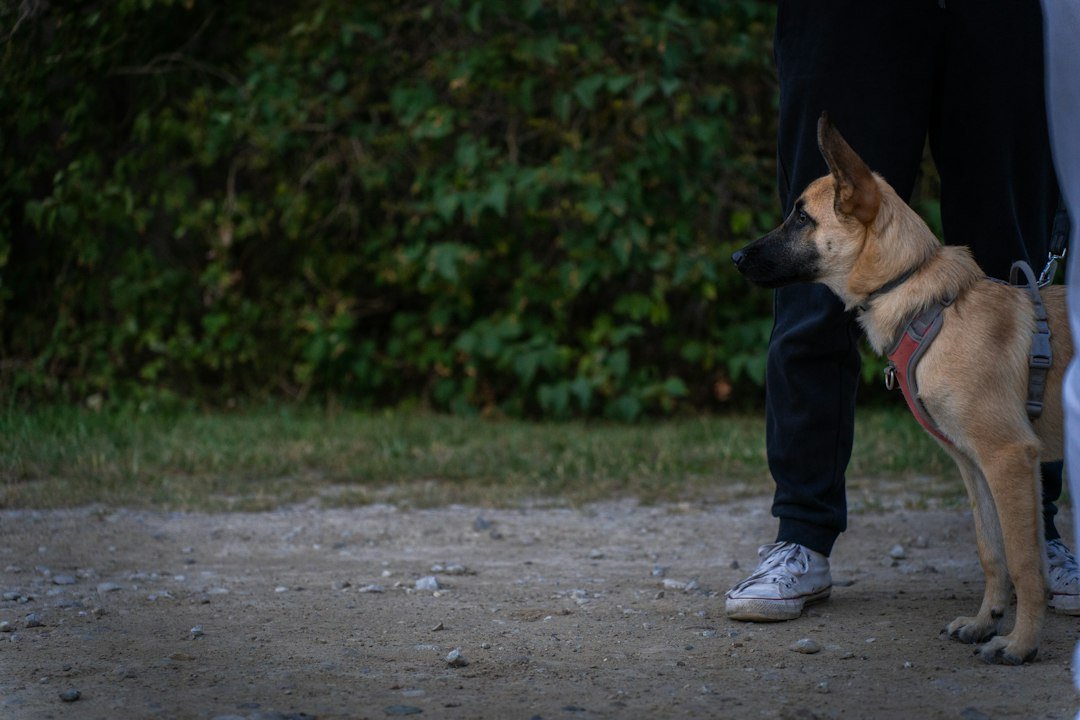
1. Start where success is easy
Begin indoors or in a secure low-distraction area. Say the recall cue once when you are confident your dog will move toward you, then reward the arrival generously.
2. Make coming to you valuable
Use a reward your dog genuinely values. The harder the environment, the more important it is that your reward can compete with whatever the dog would rather investigate.
3. Add distance gradually
Increase distance only after the dog is succeeding at the current level. If reliability drops, reduce distance again rather than repeating the cue.
4. Add distractions separately
Do not simultaneously increase distance, duration and distraction. The AKC’s “three Ds” framework recommends working on one difficulty at a time, then combining them after the dog understands each one.
5. Avoid teaching that recall ends the fun
Sometimes call your dog, reward, and then release them back to sniff or play. If recall always predicts the end of every enjoyable activity, returning can become less attractive.
6. Prevent unsafe failed practice
Until recall is reliable, practice in secure areas or with appropriate leash management. Do not test an unfinished recall near traffic or other hazards.
If recall is only one of several cues your dog ignores
Check the bigger picture: cue understanding, rewards, distractions, consistency and stress. Our central guide walks through those causes first.
Want a structured training plan?
If recall is part of a broader training problem, Brain Training for Dogs gives you a structured reward-based program for attention, obedience and mental engagement.