DOG TRAINING
Dog Training: A Practical Starting Point for Better Behavior
Dog training works best when the dog clearly understands what earns a reward. The goal is not to dominate the dog. It is to make the desired behavior easy to understand, repeat and use in real life.
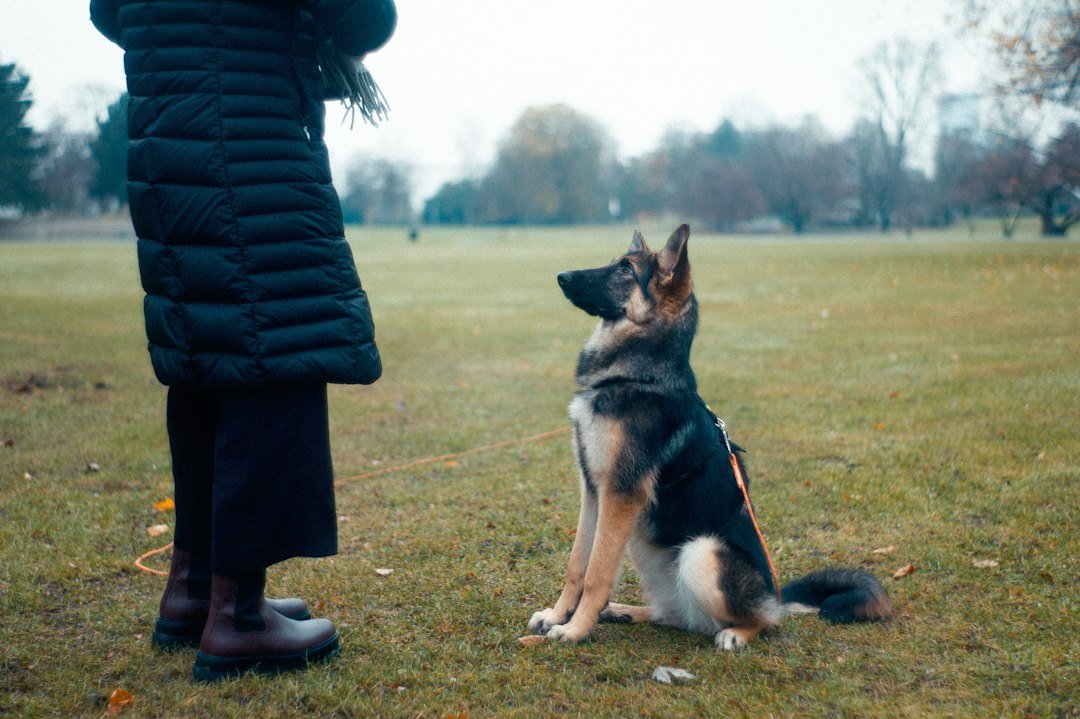
Start with attention before obedience
A dog that cannot focus on you will struggle with sit, stay, recall and leash skills. Begin in a quiet place. Reward the dog for looking at you, following you and responding to its name before adding harder distractions.
Teach one behavior at a time
Keep the first steps simple. Ask for a behavior the dog can reasonably perform, reward quickly, and repeat. Once the dog succeeds consistently, add only one challenge at a time: more distance, more duration or more distraction.
Use rewards the dog actually values
Food, toys, play and praise can all work, but their value changes with the environment. A reward that works in the kitchen may be too weak outside. Better training comes from matching the reward to the difficulty.
Solve the specific problem, not just “bad behavior”
Different problems need different plans. If barking is the issue, start with How to Stop Dog Barking Without Making It Worse. If the dog ignores cues outside, see Why Does My Dog Listen at Home but Not Outside?. For reliable basic skills, use our Dog Obedience Training home plan.
Keep training short and repeatable
Several short successful sessions are usually more useful than one long frustrating session. Stop while the dog is still engaged. Consistency across family members also matters: the same cue should mean the same thing every time.
Want a step-by-step training program?
Brain Training for Dogs uses reward-based exercises and mental games to build attention, obedience and better everyday behavior. It fits this topic well because the problem is broad training and communication, not a single product purchase.
Sources and further reading
RSPCA: How to Train Your Dog
AVSAB: Humane Dog Training Position Statement