CAT LITTER & BEHAVIOR
Cat Litter Problems: Why Cats Avoid the Box and What to Check First
When a cat stops using the litter box reliably, the problem is rarely solved by punishment. Start by separating medical issues, litter-box setup, household stress and urine marking. Each cause needs a different response.
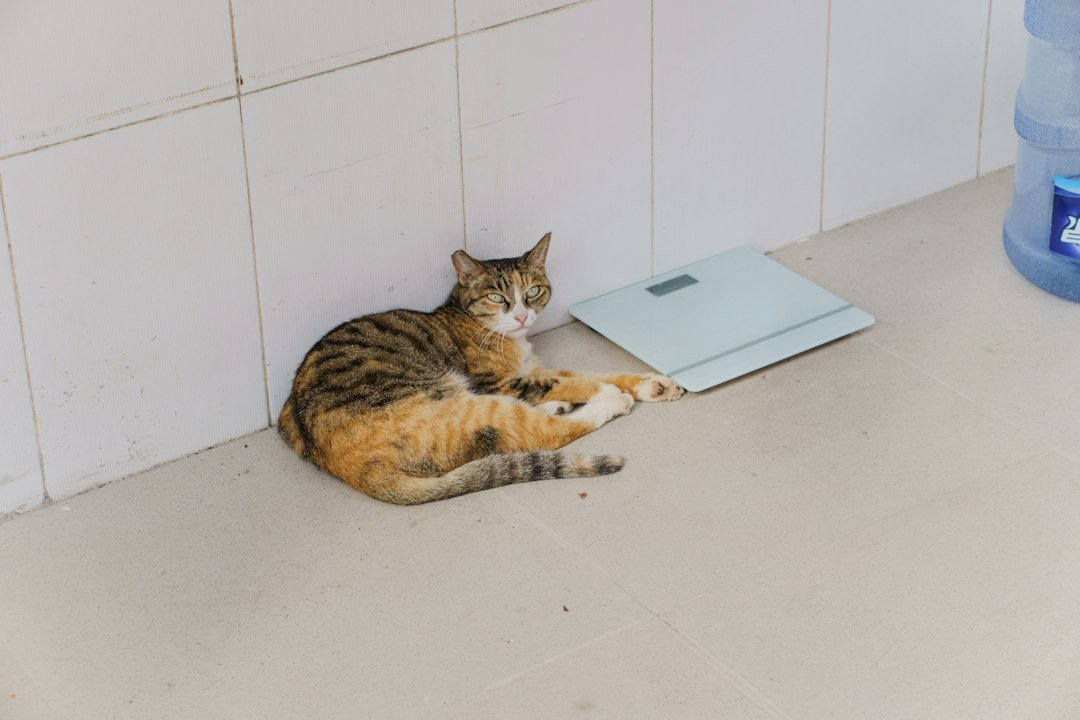
1. Rule out discomfort first
A sudden change in urination, repeated trips to the box, straining, crying, blood, very small amounts of urine or obvious pain deserves veterinary attention. Behavior advice should not replace a medical check when those signs are present.
2. Make the litter box easy to use
Check whether the box is clean, large enough, easy to enter and placed somewhere quiet and accessible. Some cats dislike covered boxes, strong fragrances or a sudden change in litter texture. In multi-cat homes, spread boxes across more than one location so access cannot be blocked by another cat.
3. Look at the location of accidents
Large puddles on horizontal surfaces are more consistent with ordinary urination outside the box. Small amounts on vertical surfaces can be urine marking or spraying. That distinction matters because a marking problem is not the same as a box-access problem.
For a deeper breakdown, read Cat Peeing Outside the Litter Box? and Why Is My Cat Spraying?.
4. Check for stress and cat-to-cat conflict
Changes in routine, moving, visitors, a new pet, outdoor cats near windows or tension between cats can affect elimination behavior. If your cat also hides more, seems tense or reacts strongly to changes, see our guide to cat anxiety.
5. Clean the soiled area without punishment
Use an appropriate pet-safe odor remover and avoid scolding the cat at the accident site. Punishment does not explain where the cat should eliminate and may add stress to an already difficult situation.
If the litter problem is actually persistent urine marking
Cat Spray Stop is specifically aimed at urine spraying and marking. It is a much better fit for that problem than for ordinary litter-box avoidance. Check medical causes and box setup first.
If your cats use the box reliably and your main concern is daily scooping, compare self-cleaning litter boxes for multi-cat homes. This guide covers convenience and fit; it is not a treatment for litter-box avoidance or urinary symptoms.
The decision in one line
If the cat is sick or painful, call the vet. If the box is the problem, fix the box. If the issue is stress, reduce the trigger. If it is persistent territorial urine marking, a structured marking-focused plan may be useful.