CAT BEHAVIOR
Cat Behavior Problems: Start With the Cause, Not the Punishment
“Bad behavior” is too broad to solve. A cat that scratches furniture, hides, bites, sprays or avoids the litter box is showing a different problem. Pet Gear Pilot starts with the behavior you can observe, then narrows the likely cause and the next useful action.
Cat peeing outside the litter box
First check for medical discomfort and litter-box setup. Then look at household stress and whether the behavior is ordinary urination or territorial marking. Start here: Cat Peeing Outside the Litter Box?
Cat spraying or urine marking
Spraying is often connected to territory, conflict or environmental stress. The useful question is not “How do I punish this?” but “What is making this location or territory feel unstable?” Read Why Is My Cat Spraying?.
For the urine-marking branch of cat behavior problems
Cat Spray Stop is relevant when the specific behavior is persistent spraying or marking. Pet Gear Pilot does not recommend it as a universal fix for aggression, anxiety or scratching.
Cat anxiety
Hiding, freezing, avoidance, excessive vigilance and strong reactions to change can point to fear or stress. Reduce the trigger and create predictable safe options. See Cat Anxiety: Signs, Triggers and a Calmer Home Routine.
Aggressive cat behavior
Hissing, swatting, chasing and biting can come from fear, pain, overstimulation, territorial conflict or redirected arousal. Sudden or dangerous aggression deserves professional attention. Read Aggressive Cat Behavior: What to Do First.
Scratching furniture
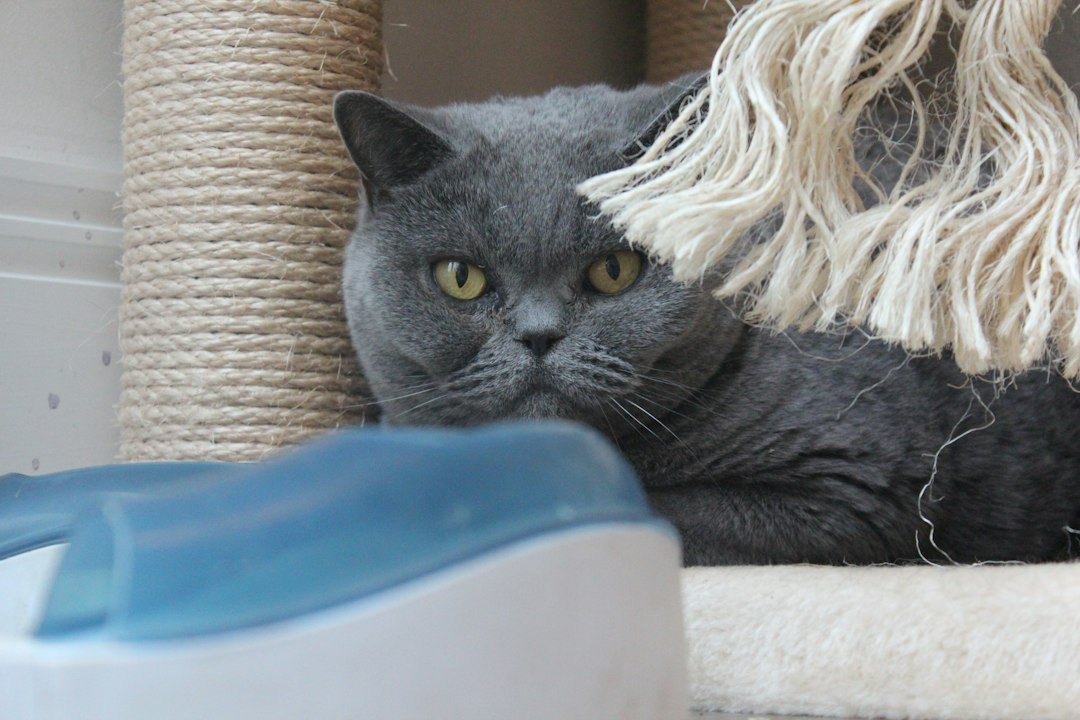
Scratching is normal feline behavior. The practical goal is to redirect it to a surface the cat prefers. Placement, texture, stability and location matter more than simply buying a random scratching post.
Do not force one solution onto every problem
A product that fits urine marking may be irrelevant to scratching. A training tip may be inappropriate when pain is the cause. Good buying decisions start by identifying the problem accurately before selecting a product, course or behavior plan.